Maonyesho
The Turnaround After an Exhibition
Loise Nyokabi · Oct 19, 2026
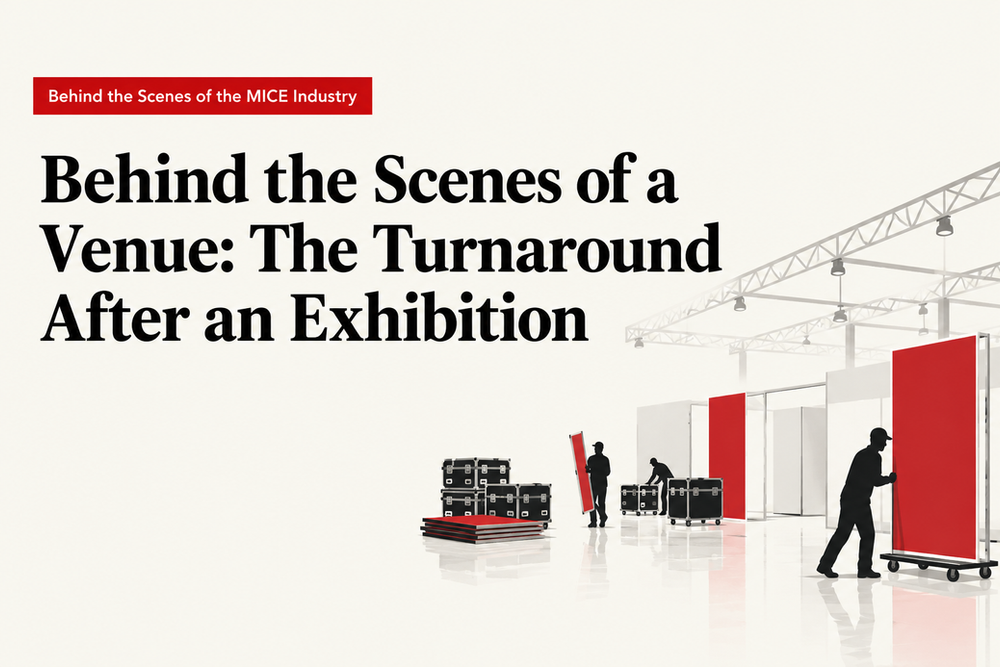
Behind the Scenes of a Venue: The Turnaround After an Exhibition
By Sols Inclinations Ltd. | Karen, Nairobi, Kenya
When the last visitor walks out, the exhibition is over for the public. For the venue, a second job is just beginning: turning a busy exhibition floor back into a clean, safe and ready hall.
In this series we have looked at how a hall is prepared before an exhibition and how it is run while the doors are open. This week we look at the part that follows. The turnaround is the work of closing one event properly so that the hall is ready for whatever comes next. It rarely gets noticed, yet it shapes how reliable a venue is for every organizer and exhibitor who uses it.
What a Turnaround Involves
A turnaround is not one task. It is a set of connected jobs that happen in a sensible order, often while exhibitors are still moving out and the organizer's team is still on the floor. The hall team works around all of that, keeping people safe and keeping the space moving towards its handover.
Working With the Organizer Through Move-Out
Move-out is a busy window. Exhibitors are packing, vehicles are arriving to collect goods and stand builders are taking structures apart. The hall team and the organizer stay in close contact so that each stage happens in the agreed order and at the agreed time.
The venue's role is to keep access clear, keep the space safe and be ready to respond to questions. The organizer's role is to guide exhibitors and confirm when each stage is complete. When both sides communicate well, move-out is calm and efficient, even when many people are working at once.
A good turnaround is invisible. The next event simply finds a hall that is ready.
The Sequence of a Turnaround
Every hall and every exhibition is different, so the order below is only an illustration of how the work tends to flow.
Doors close: visitors leave, entrances are secured and the hall team confirms the plan for move-out with the organizer.
Move-out begins: exhibitors pack and dismantle while the hall team manages access, loading areas and safe movement through the space.
Waste removal: packaging, offcuts and leftover materials are collected and taken away so that the floor can be cleared.
Deep clean: once the floor is empty, the hall is cleaned from end to end, including washrooms and common areas.
Joint inspection: the venue and the organizer walk the hall together and note its condition, so there is a shared record of the handover.
Repairs and reset: anything that needs fixing is attended to, and the hall is set back to its usual layout and standard.
Why It Matters
A careful turnaround protects the hall as an asset. Floors, walls, lighting and fittings last longer when problems are noticed and repaired early. It also protects the relationship between the venue and the organizer, because a clear, shared record of the hall's condition avoids confusion later on.
It matters for what comes next as well. A venue that turns around reliably can welcome the next exhibition, conference or event with confidence. For organizers, that dependability is a real reason to return to the same hall again and again.
A Closing Thought
An exhibition is remembered for its opening day, its stands and its conversations. Behind all of that sits a hall that is prepared, run and then carefully reset by people who rarely appear in the photographs. The turnaround completes the cycle, and it is what allows the next one to begin well.
Planning an Exhibition or Event?
Explore more from our behind the scenes series, and find out how Sols Inclinations supports events from the first idea to the final day.
This article describes general venue practice. Specific arrangements vary from one hall and one event to another. Sols Inclinations Ltd., Karen, Nairobi, Kenya.