Maonyesho
From Local to Global: How Cross-Border Expos Like INFTEXPO Strengthen Africa's Trade Networks
Loise Nyokabi · Jul 27, 2026
From Local to Global: How Cross-Border Expos Like INFTEXPO Strengthen Africa's Trade Networks

For most of the past two decades, an exporter in Nairobi has found it easier to sell tea to London than to a buyer three borders away in Lusaka or Kigali. Roads, tariffs, and mismatched standards made regional trade harder than trade with a continent away. That pattern is shifting, slowly and unevenly, and cross-border trade expos are one of the more practical, underappreciated mechanisms doing the shifting.
The Gap These Expos Are Working Against
Intra-African trade has sat at roughly 14 to 16 percent of the continent's total trade for most of the last decade, a figure that has moved only modestly even as the African Continental Free Trade Area (AfCFTA) has advanced. By comparison, intra-Asian trade is reported to have reached around 60 percent of that region's total trade in 2025. I believe these figures are broadly accurate based on the reporting I found, but I'd recommend verifying the exact percentages against a World Bank or Afreximbank primary release before quoting them elsewhere, since different outlets round them slightly differently.
Projections for where intra-African trade lands in 2026 also vary depending on the source. Afreximbank's African Trade and Economic Outlook 2026, as reported by Ecofin Agency, points to roughly USD 230 billion. A separate figure of USD 250 billion has been attributed to AfCFTA Secretary-General Wamkele Mene in comments reported around mid-2026. I'm not in a position to say which projection will prove closer to the final number, and the spread between them is a useful reminder that continental trade data is still catching up to the pace of integration on the ground. Either figure should be verified against Afreximbank or the AfCFTA Secretariat directly before it goes into anything client-facing.
What A Trade Fair Actually Does For A Trade Network
Strip away the branding and a trade fair performs three fairly old economic functions: it lets goods change hands, it lets information about prices and demand move between people who would otherwise never meet, and it promotes the products and the organisations behind them. What has changed is the infrastructure wrapped around those functions. Modern continental expos now build in structured B2B and B2G matchmaking, dedicated investment and deal rooms, and increasingly, digital payment rails such as the Pan-African Payment and Settlement System, meant to cut the foreign exchange costs of cross-border settlement.
The Intra-African Trade Fair, Edition by Edition
The 2025 edition in Algiers drew over 112,000 physical and virtual visitors, 2,148 exhibitors from 132 countries, and fourteen heads of state, according to Afreximbank's own post-event figures. I'd treat the exact deal-value totals as directionally reliable rather than precise to the dollar, since press releases and news wires covering the same edition occasionally report slightly different rounded numbers, but the trend across four editions is consistent and worth verifying independently if it's going into a formal report.
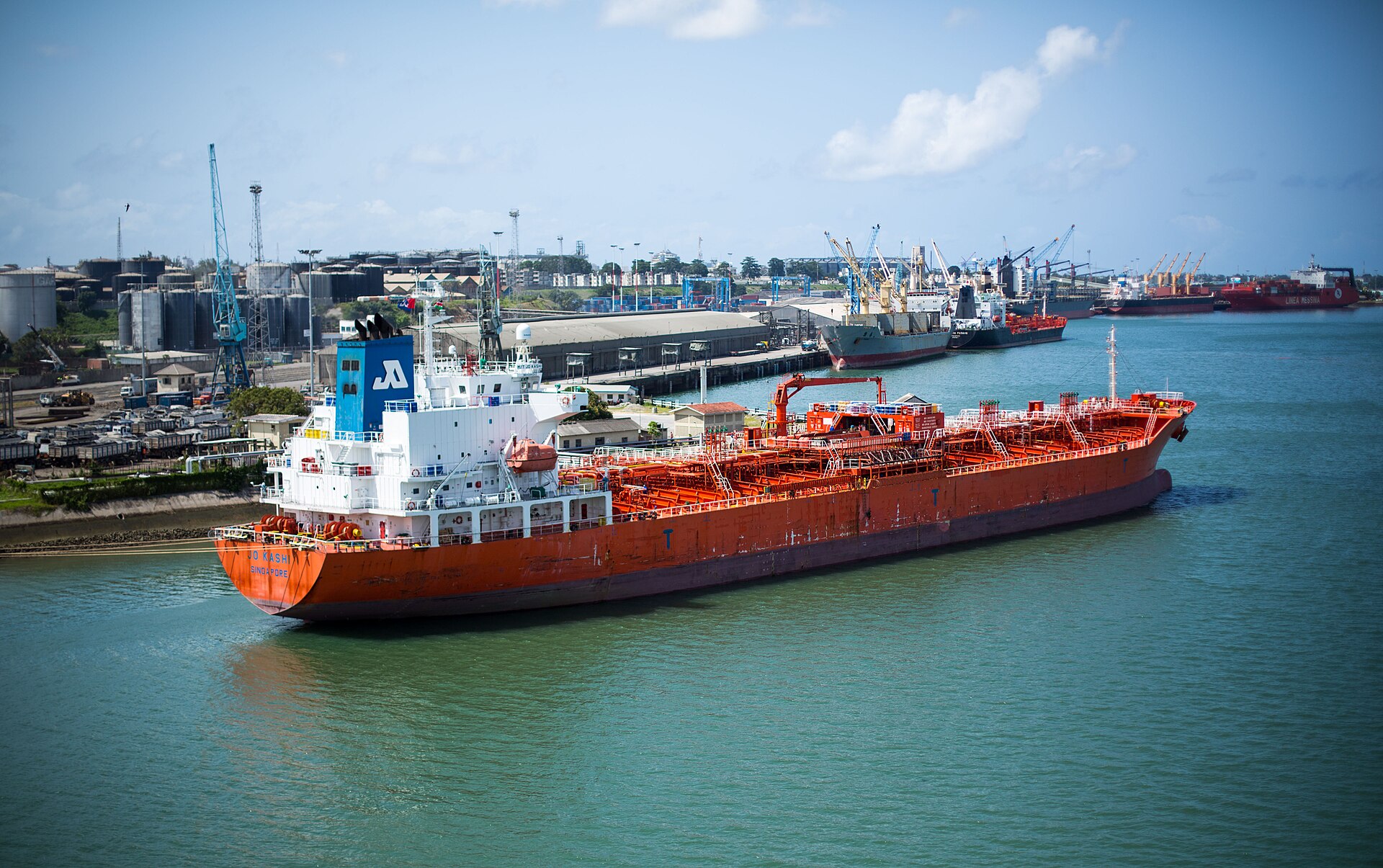
INFTEXPO And The Local-to-Global Route
Not every expo that strengthens Africa's trade networks is held in Africa. INFTEXPO 2026, an international food and technology trade expo scheduled for 4 to 6 September 2026 in Amman, Jordan, and organised by Pulse International, is a case worth naming directly, since Exhibition & Events Organizers Ltd. (EEO), Sols Inclinations' sister company, serves as its Official Marketing Agent for Africa.
That role means EEO's outreach work, formal invitations to trade associations, government agencies, and private exporters across Kenya, Tanzania, and beyond, is itself a small act of trade-network building. It is the same logic as the Intra-African Trade Fair, applied in the other direction: an African exporter who could never justify the cost of a solo market-entry trip to the Middle East or South Asia can, through a single expo booth, meet buyers from a dozen countries in one week. The fair absorbs a cost that would otherwise have to be duplicated across many separate bilateral efforts. A tea or avocado exporter based in Kenya finds a route into a Jordanian, Gulf, or South Asian supply chain not because they built that relationship themselves, but because a marketing agent and an expo organiser did the matchmaking before the exporter ever left home. That is the "local to global" route in miniature.
What Still Gets In The Way
None of this closes the gap on its own. Reports on AfCFTA implementation continue to flag weak transport and logistics infrastructure, lingering non-tariff barriers along key corridors, and uneven digital customs adoption between member states as the main drags on turning trade fair connections into repeat, high-volume trade. Ratification of the AfCFTA agreement is now wide, reportedly covering most African Union member states, but full operational implementation is still described as a work in progress in the reporting I reviewed. This is a fast-moving area, worth a fresh check before it's used in anything dated further out than a few months.
The Economic Case, In Short
Cross-border expos will not replace the slower work of tariff harmonisation, customs digitisation, or transport infrastructure investment. What they do is function, today, while that larger architecture is still being assembled. Every signed deal at an IATF, and every African exporter who walks into an INFTEXPO hall in Amman having never left home before, is a small, working piece of the trade network that AfCFTA is still trying to build on paper.
For Sols Inclinations and EEO, that is the business we are in: not just filling a hall with stands, but building the connective tissue that lets an exporter in Nairobi find a buyer they'd otherwise never meet.
Exhibiting Connects You To This Network
Sols Inclinations Ltd and EEO manage exhibitor outreach and event materials for cross-border expos including INFTEXPO 2026. If your organisation is weighing whether a trade fair booth is worth the investment, we can walk you through what participation actually involves.